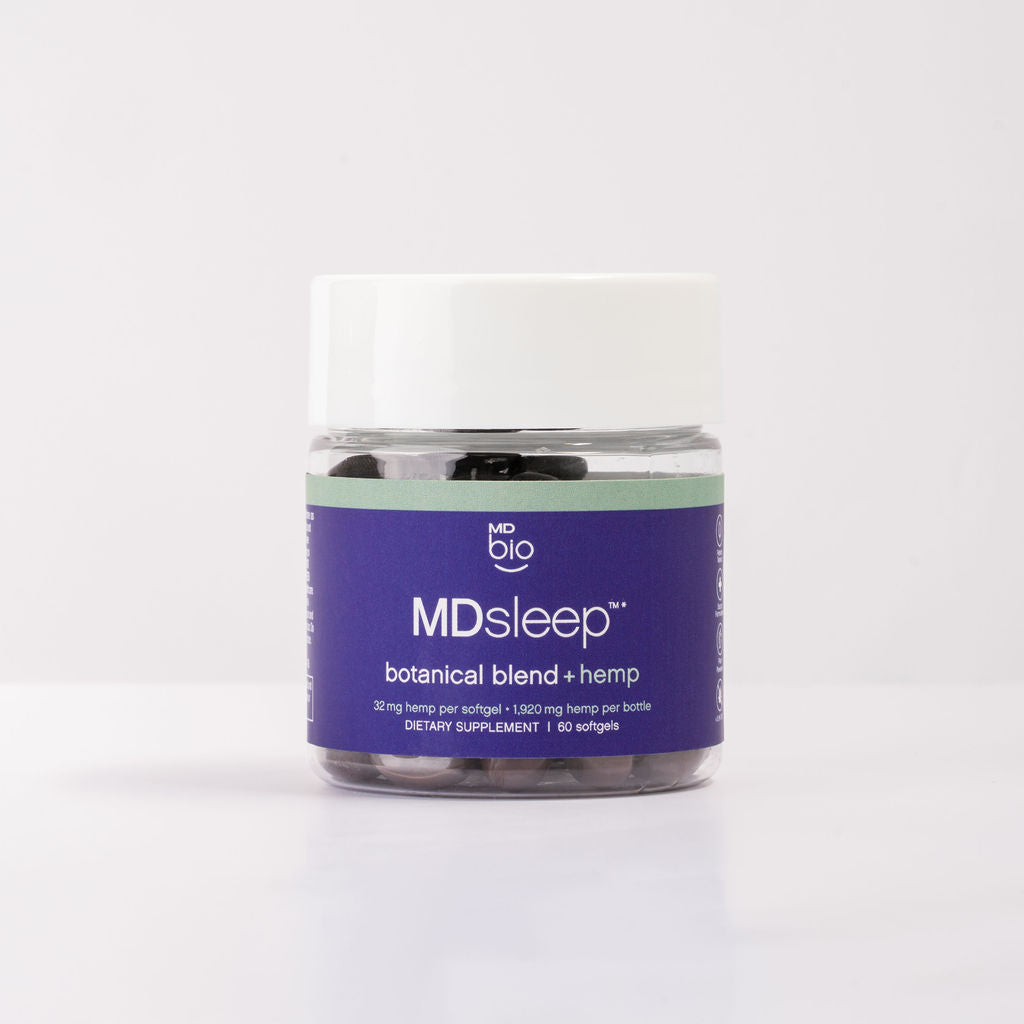



 from
$34.95
from
$34.95 from
$34.95
from
$34.95 from
$34.95
from
$34.95 from
$34.95
from
$34.95



Don’t let unrestful sleep get in the way of your health
Sleep issues are so common, yet it’s not talked about enough.
Sleep issues are so common, yet it’s not talked about enough.
Over 30% Have Sleep Issues.
One out of three people have difficulty going to sleep or staying asleep. Do you have these common symptoms?
The Science of Sleep.
Our doctors explain why good sleep is foundational to good health.

Why Sleep Is Vital for Good Health
One of the key ingredients for health is sleep — for all different disease processes, from malignancies to stress and anxiety, to autoimmune disorders, and potentially again, hypogonadism, diabetes and so forth, sleep.


How to Create Better Sleep
For a number of patients, whether it's through lifestyle or genetics, there's some slight chemical or hormonal imbalances within our body.
Are You Getting Enough Sleep?
Sleep soundly with the help of natural phytochemicals.
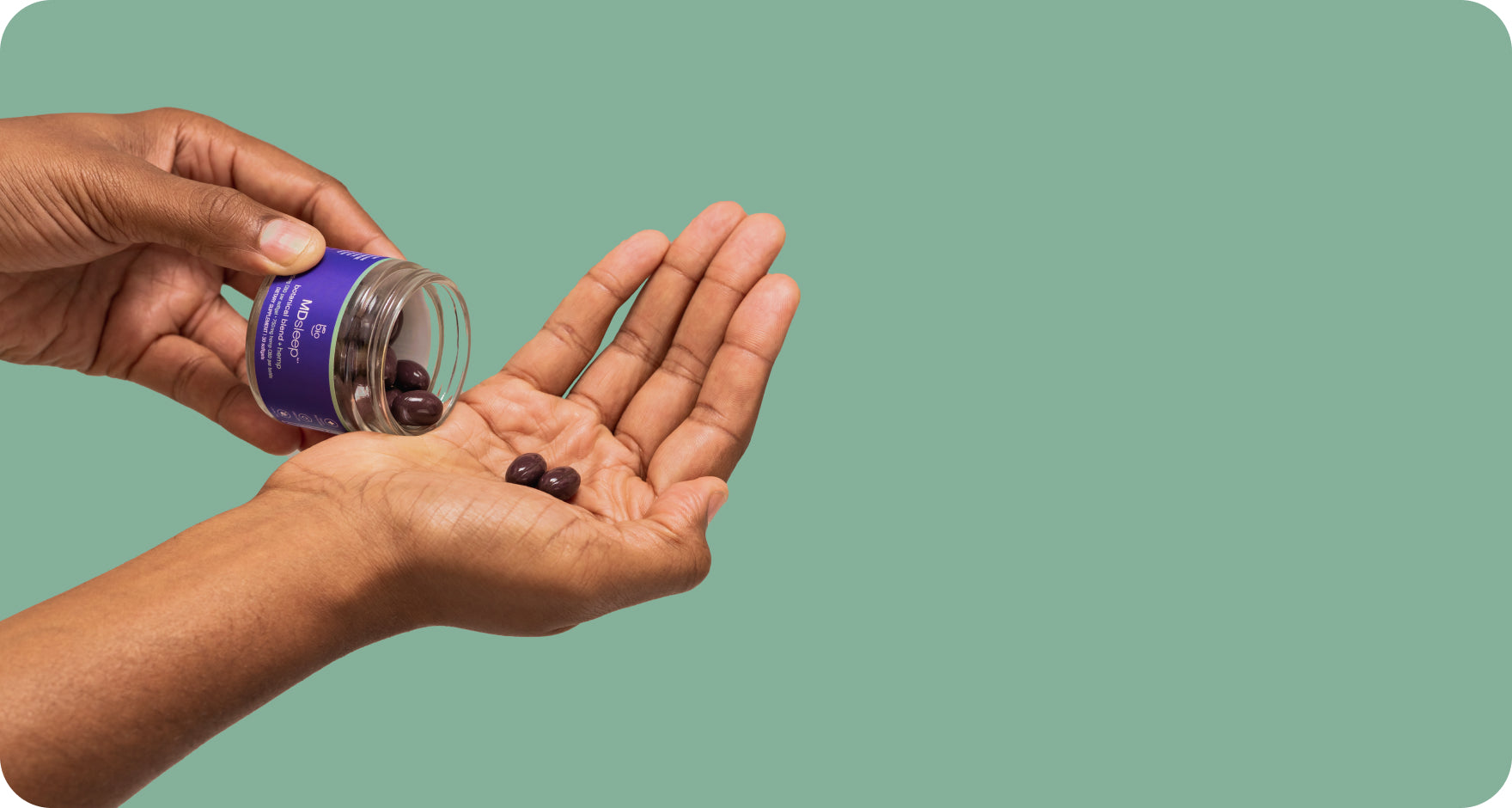
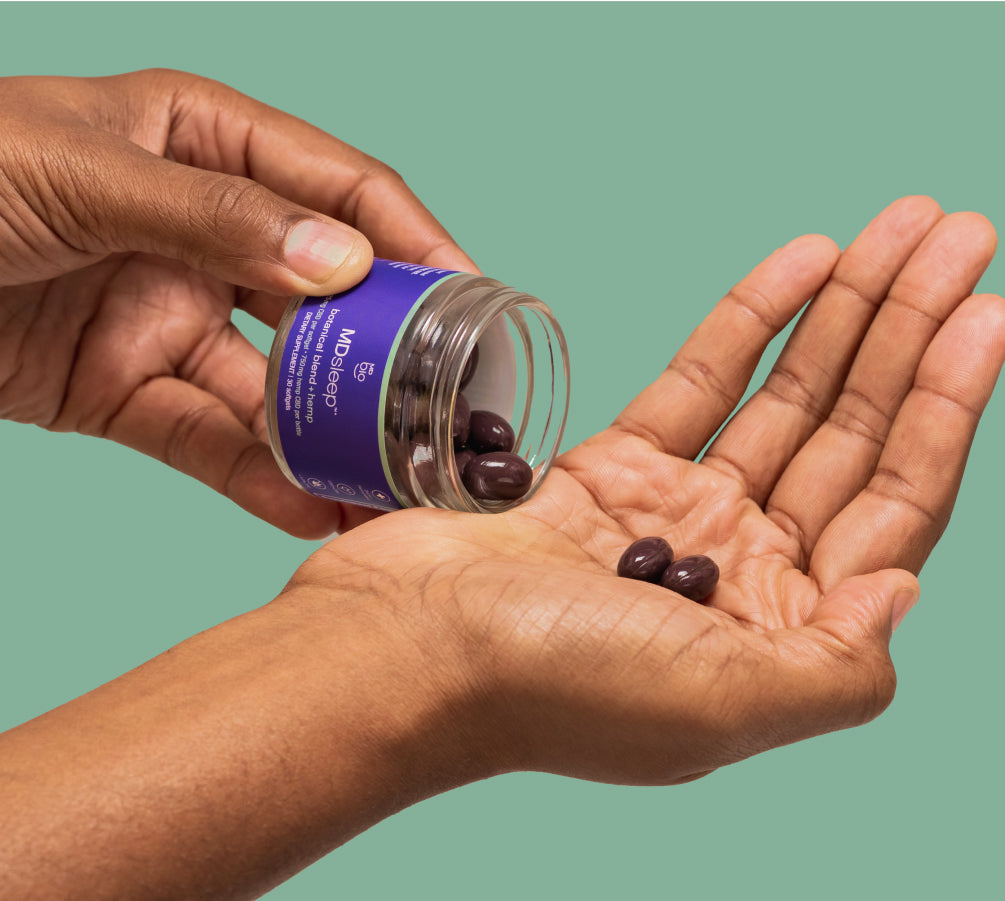

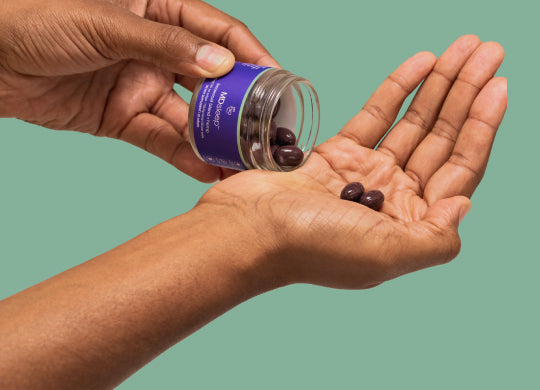
If you're looking for a natural way to improve your sleep, It’s the way to go.

I’m especially talking to those ladies with menopause! I haven’t slept like this, since I’ve been a teenager!

My favorite sleep supplement yet! Stayed asleep the entire night (8-9 hrs) every time.

I was starting to worry that I'd never sleep through the night again, but it has given me my life back.

54% Reported Less Sleep Disturbance.
Clinical trial of MDsleep + hemp revealed significant improvements.
Clinical trial of MDsleep + hemp revealed significant improvements in sleep disturbance, stress, and overall sense of well-being.

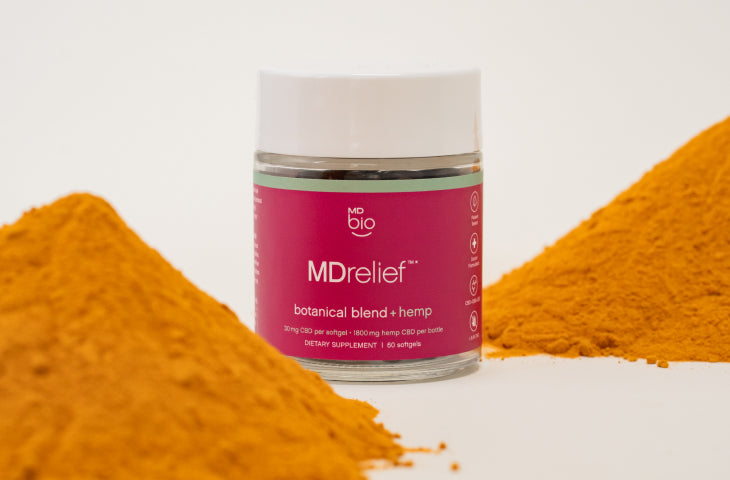
Straight from The Doctor’s Desk
Learn more about persistent health issues, and how MDbio’s natural blends can safely replace or supplement pharmaceutical products.